Bay Area Sales Tax Just Changed. Is Your Business Collecting the Right Amount?
Sales tax rates changed across the Bay Area on April 1. Campbell hit 10.5%, San Jose hit 10%. If your POS system hasn't been updated, you're already under-collecting — and the liability is yours.
Here's a scenario that's playing out in Bay Area businesses right now: a business owner is ringing up sales with last year's tax rates programmed into their system. Every transaction is slightly wrong. The difference between what they're collecting and what they legally owe is growing. And they have no idea.
The CDTFA implemented new sales tax rates across much of the Bay Area on April 1, 2026. If you run any kind of business that collects sales tax — retail, restaurants, certain services — and you haven't verified your rates are current, this is worth reading.
What Actually Changed on April 1st
Almost all of the rate increases in the Bay Area trace back to one thing: Santa Clara County Measure A, a five-eighths cent sales tax that 57% of voters approved in November 2025. The county projected it would raise roughly $330 million per year. The result was a 0.625% jump in the combined rate for virtually every city in Santa Clara County — and some cities stacked additional local increases on top of that.
Here's where things stand right now:
Santa Clara County base rate: now 9.75% (was 9.125%)
San Jose: now 10.0% (was 9.375%)
Milpitas: now 10.0% (was 9.375%)
Campbell: now 10.5% (was 9.875%)
Los Gatos: now 9.875% (was 9.25%)
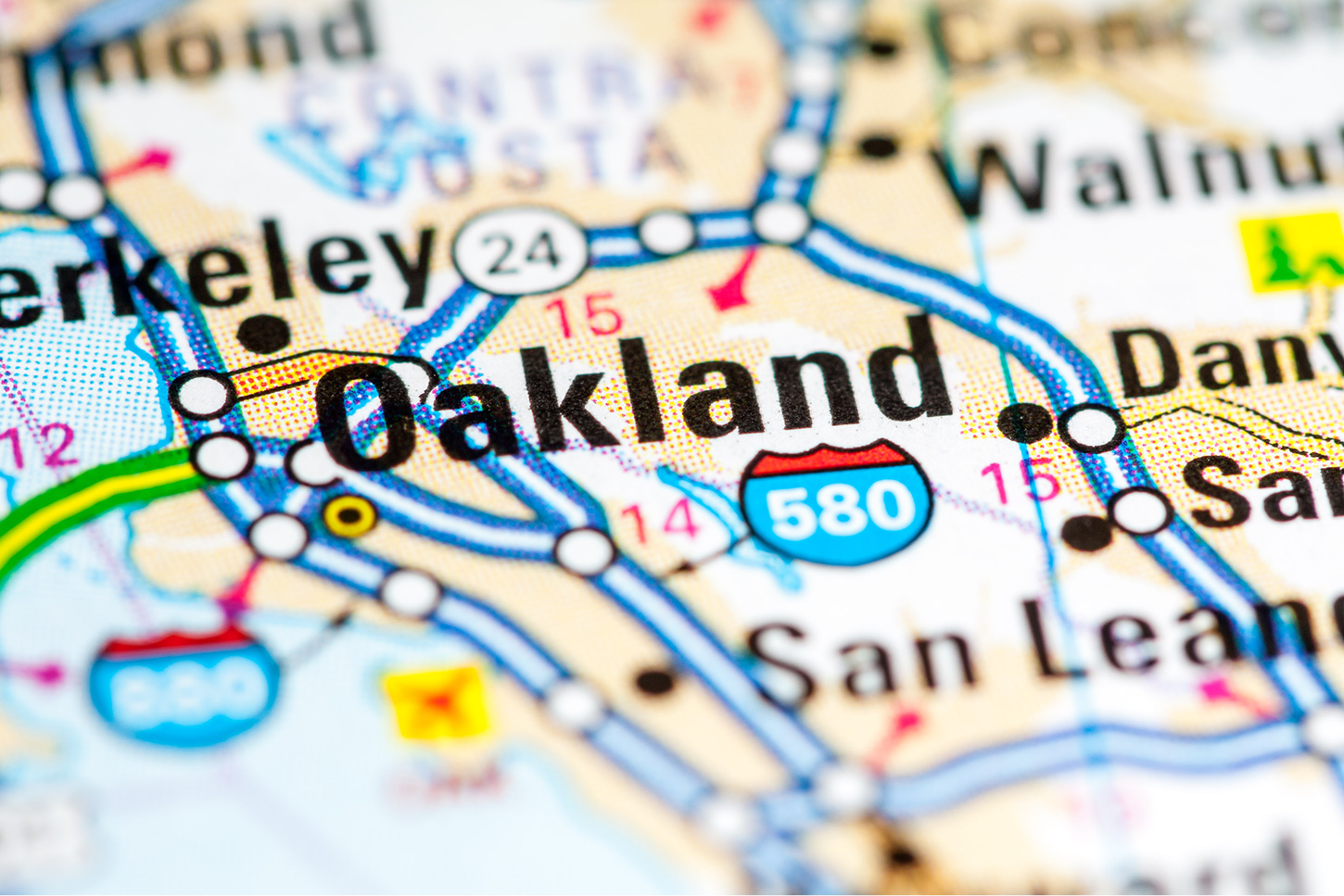
Oakland: 10.75% — this one took effect October 2025, not April 2026, but a lot of businesses still haven't caught it
San Francisco: 8.625% — no change, and actually the lowest combined rate of any major Bay Area city right now
That Campbell number is wild. At 10.5%, it's now among the highest combined sales tax rates in the entire state. That happened because two separate local increases stacked on top of each other. San José Spotlight has been covering the Campbell situation closely — there's even active litigation over whether one of those increases was constitutional. But right now, 10.5% is the rate and you're responsible for collecting it.
Why This Is Actually Your Problem, Not Your Customer's
This is the part people don't fully grasp.
When you collect sales tax, you're acting as a collection agent for the state. If you collect less than the actual rate, the CDTFA doesn't go after your customer for the difference — they come after you.
That means if you've been running your Campbell store at the old 9.875% rate since April 1st, every transaction you've processed has a shortfall. At the end of the reporting period, you'll owe the difference out of pocket. On top of that, the penalty for under-collecting due to negligence is 10%. The penalty for collecting the right tax but not remitting it to the state is 40%. And the people who sign the checks — officers, managers, responsible persons — can face personal liability that survives a business bankruptcy.
We wrote about this specifically in our post on what happens when you don't collect or pay California sales tax. It's not a fun read, but it's important.
How to Verify Your Rates Are Right
California determines the correct sales tax rate based on the physical address of the transaction — not the ZIP code, not the county, not what city you think you're in. The CDTFA maintains an address-based rate lookup tool that gives you the correct combined rate for any address in the state.
If you're using a cloud-based tax automation platform like Avalara or TaxCloud, rates should have updated automatically — but verify. TaxCloud's 2026 California sales tax tracker shows every rate change with effective dates. Avalara's San Francisco rate page is useful for verifying current SF rates specifically.
If you're using a legacy or manual POS system, you need to make this update yourself. The CDTFA issued updated tax area codes on April 1 — your system needs the new codes, not just the new rates.
The Oakland Situation Is Worth Its Own Mention
Oakland's rate jumped to 10.75% back in October 2025 via Oakland Measure A — the city was running a $129 million deficit and needed revenue. SPUR supported the measure as a necessary bridge.
We mention this separately because a lot of San Francisco-based businesses have Oakland exposure — a second location, delivery routes, remote employees working from home — and haven't treated that as a separate tax jurisdiction. If you sell taxable goods that are delivered to an Oakland address, you owe Oakland's 10.75% on those sales. The fact that your office is in SF doesn't change that.
This connects to the broader nexus question. If an employee regularly works from their Oakland home, that physical presence can create tax obligations in Oakland regardless of where your company is headquartered. We've covered payroll taxes for remote employees in California in depth — the sales tax nexus logic works the same way.
What You Should Do This Week
If you haven't already done this since April 1st, do it now:
Check your POS rate against the CDTFA lookup tool for every location where you have sales. If you find a discrepancy, fix it today and flag the historical period for review.
Talk to your accountant about any under-collection since April 1st. The sooner you identify and self-report, the better the outcome if the CDTFA ever looks at your account. The CDTFA's quarterly Tax Information Bulletins are worth bookmarking for future rate changes.
If you have Oakland exposure, verify you're set up as a separate reporting location. Different city, different tax area code, different rate.
Ask whether you need to update your business tax registration. If you have physical presence in a new city — through employees, inventory, or business activity — you may need to register there.
One More Thing: These Rates Aren't Going Down Anytime Soon
Santa Clara County's Measure A runs through March 31, 2031. That's five more years at these elevated rates. And SB 63 would allow the county to put another half-cent transit tax on the November 2026 ballot. Campbell at 10.5% could go higher. San Jose at 10% could go higher.
This isn't a temporary quirk — it's the new landscape for Bay Area retailers. Getting your compliance infrastructure right now will save you headaches for years.
Other good resources on this: Sensiba has strong California state and local tax expertise, and Withum handles multi-location retail clients well. For ongoing rate monitoring, both Avalara and TaxCloud are worth evaluating if you're managing sales tax manually.
Let's Make Sure Your Business Is Collecting the Right Amount
At Asnani CPA, we work with Bay Area businesses on sales tax compliance, bookkeeping, and tax planning across San Francisco, San Jose, Campbell, Milpitas, Sunnyvale, Santa Clara, and Cupertino.
If you want someone to audit your current setup and make sure you're not sitting on a compliance gap — we're easy to reach.